Ocimum basilicum L.
Sweet basil is the most common and most popular basil species. It belongs to the mint family, Lamiaceae (Labiatae). Also found in this family is mint, thyme, rosemary, marjoram, oregano and lavender, just to mention a few.

Origin
Sweet basil probably originated in western Asia and occurs naturally or is naturalized throughout the tropics (including South-East Asia, Africa, Middle East), subtropics and warm temperate areas.
Commercially Grown Basils
Most commercially grown basils are cultivars of sweet basil.
There are over 160 cultivars of sweet basil. The common ones are: cinnamon basil, Thai Basil, Anise Basil, Purple Ruffles Basil, Dark Opal Basil, just to mention a few.
Flavour

Basil is typically used fresh. The dried herb loses most of its flavour and fragrance and tastes very different, with a weak coumarin flavour, like hay
Sweet basil leaves should be added towards the end of cooking to best retain their flavour.
Basil imparts a fragrant, warm and sweet flavour with pungent and clove-like notes to dishes and drinks.
Culinary Use
Sweet basil leaves are commonly used in the following cuisines: southeast Asian, Indonesia, Thailand, Taiwan, Vietnam, Cambodia, Laos, Italian, French, and Malaysian.
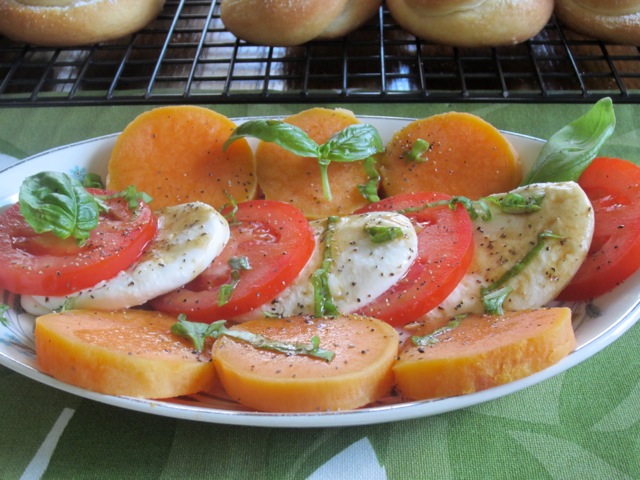
Basil leaves are prominently used in Italian cooking in pizza, pasta, chicken, meat, cheese and tomato dishes. Also used in tomato salsa, salads, soups, sauces, stuffings. It blends well with tomatoes and garlic.
Its mild sweetness complement any type of meat or poultry, shellfish and many vegetables. It is used in soups, salads and vegetable dishes and has a special affinity with tomatoes, e.g. in tomato paste and pasta sauces.

Basil is also used to make Pesto, a sauce originating from Genoa. To make pesto, fresh basil is crushed with garlic, Parmesan cheese, pine nuts, and olive oil.
In France basil is popular in omelettes and soups.
Basil is used as an ingredient in bloody Mary.
Lamb is often flavoured with basil leaves.
Other Uses

- The leaves are a source of essential oil and oleoresin mainly applied in industry to flavour baked goods, sauces, pickles, vinegar and meat products and to modify the flavour of chartreuse liqueurs. (Prota4u)
- The oil is also used in cosmetics, dental and oral products and occasionally in perfumes. (Prota4u)
- It’s also used as a medicine, stimulant, carminative, to repel bugs and as an ornamental. (Prota4u)
Other Notable Basil Species
- Ocimum americanum (American basil)
- Ocimum tenuiflorum (sacred basil)
- Ocimum sanctum (holy basil)
- Ocimum kilimandscharicum (Camphor Basil)
References
myfavouritepastime.com


 My Favourite Pastime
What a great and informative post, and a delicious read 🙂 Nothing like fresh herbs, and basil is tops!
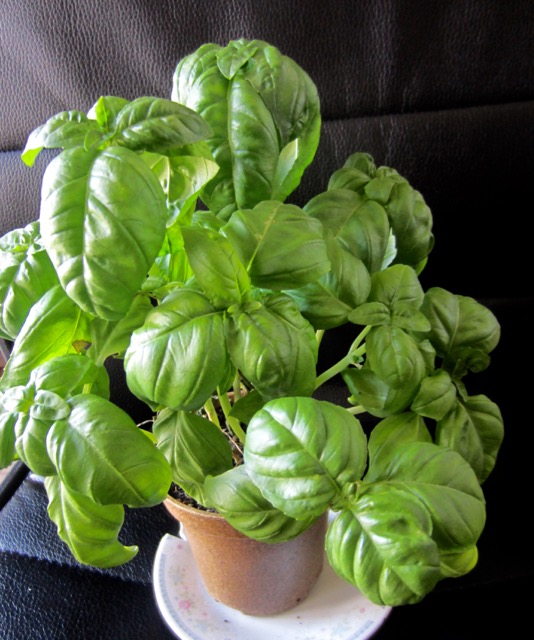
I love basil. I keep it in a pot on my dining table and use it for cooking….
Liz
Smart! 🙂
Can’t wait until it’s basil time again! We’re getting cilantro in our veggie box, but no basil yet, still using the dried leftovers from last year…. To basil!!
I have a store-bought one right here on my dining table. I water it every morning and nip off the leaves every two or three days for cooking. I want to transfer it to larger pot. Have a great weekend!
Liz
Oh how I love basil. Have you ever tried Aftican Blue Basil? It’s my favorite variety but it’s sometimes difficult to find.
Oh yes I’ve tried the African Blue Basil.’It has a very strong scent compared to this one. It’s not available where I live at the moment. Have a pleasant weekend, ahead!
Liz
You too! ☺
Merci beaucoup!
Liz